
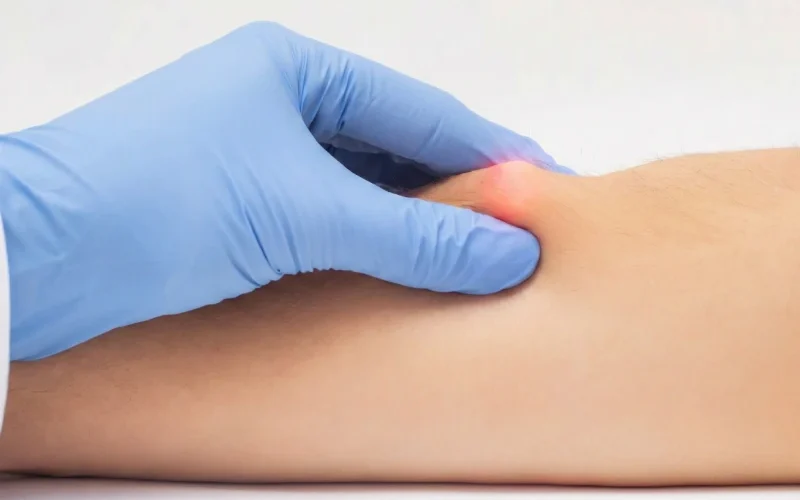
That soft, slow-growing lump under your skin has finally become more annoying than harmless. It might not be painful, but it bothers you, catches on clothes, and makes you self-conscious – we get it.
The thought of surgery might feel overwhelming, especially if you’re unsure what the process involves or if it’s even necessary. Lipomas may be harmless, but ignoring them doesn’t always make things easier.
At Dr Sanket Shetty’s practice, we guide working professionals, trauma survivors, and aesthetic seekers through safe, precise lipoma removal. You’re not alone – we’re here with clarity, skill, and care whenever you’re ready.
Understanding Lipomas
1.What is a Lipoma
Sometimes, a small lump under the skin feels like a harmless pillow. That’s usually a lipoma – a benign, fatty growth that forms just beneath the skin. These are slow-growing and aren’t linked with cancer.
While they may seem intimidating, they’re one of the most common soft tissue lumps seen in adults. Recognising it early helps rule out anything more serious. Our patients often come in after noticing stability in size but concern in appearance.
2.Common Symptoms and Appearance
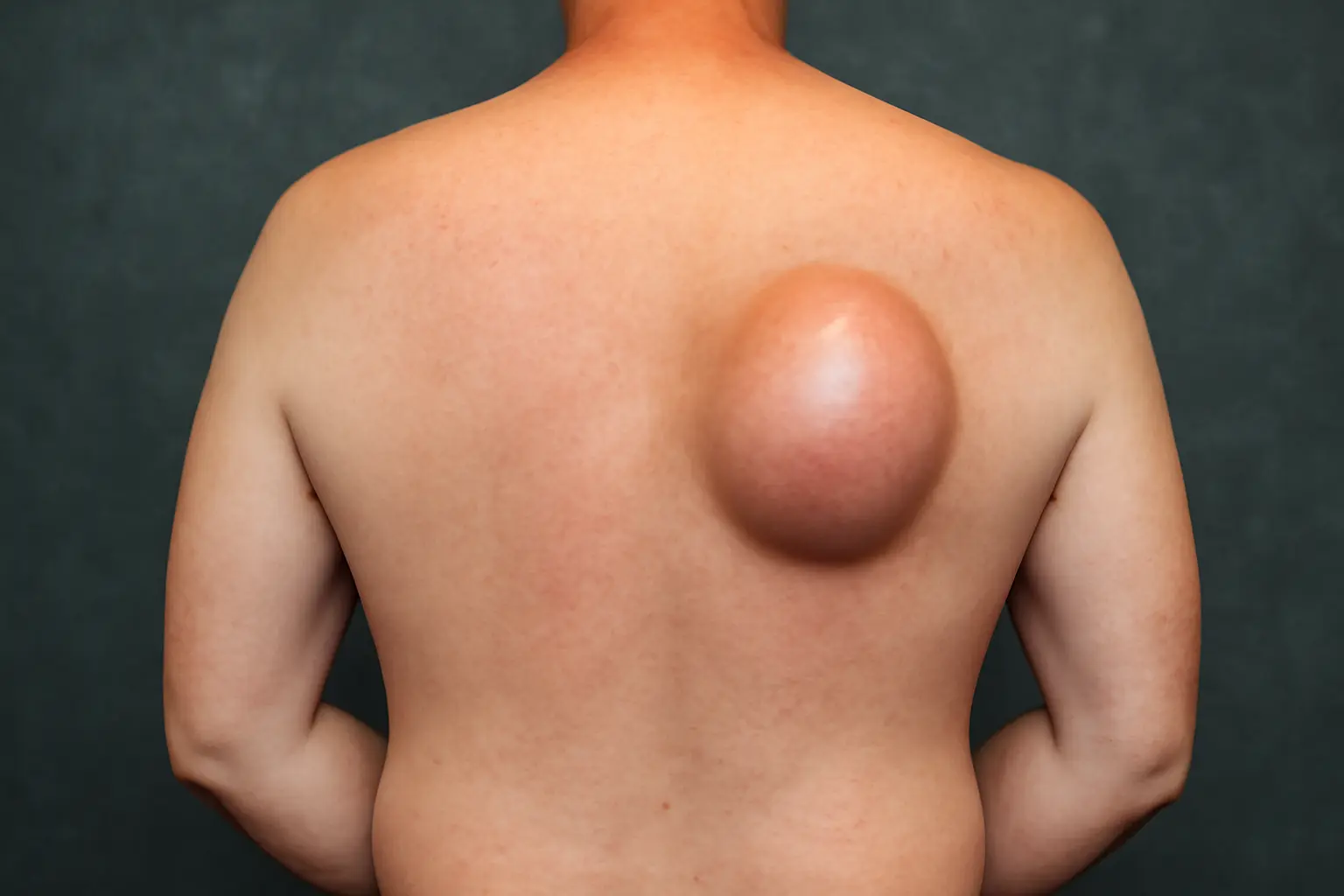
Lipomas usually feel soft like a rubber ball and you can easily move them under the skin with your fingers. They tend to appear on the upper back, arms, shoulders, or neck. Most people don’t feel pain unless there’s pressure on surrounding tissues. Though they don’t often cause symptoms, many people consult us because they notice bulky changes in their body shape or texture.
3.Causes and Risk Factors
Family history plays a strong role, and we’ve seen lipomas occur across generations. They’re also more common if you’re middle-aged, overweight or have metabolic conditions. Rare genetic conditions, like Gardner’s syndrome or familial multiple lipomatosis, increase the likelihood of developing several lipomas in different areas. Understanding these associations supports a more accurate treatment plan if removal is needed.
4.Types of Lipomas
Each lipoma behaves differently. The most common are superficial lipomas, sitting just beneath the skin. Some travel deeper into muscle layers – these are called intramuscular lipomas. In rare cases, deep-seated or clustered lipomas show up, especially in people with genetic syndromes. During clinical evaluation, we carefully classify the type before advising any treatment steps.
Diagnosis and Pre-evaluation
1.Clinical Exam and Imaging
We focus on feel, form, and firmness. If your lump has become unusually large or is located in deeper tissue, we might order an ultrasound, MRI, or CT scan. This helps us check its exact size, borders, and depth. These tools give us a 360-degree view, often making the difference between a simple excision or a more cautious approach.
2.Biopsy or Excision Examination
If the exact nature of a lump isn’t obvious or it seems unusually firm, fast-growing, or painful, we may recommend a biopsy. This helps eliminate suspicions of other growths like cysts or solid tumours. Sometimes, surgical removal becomes both the diagnostic and therapeutic step – especially if the mass impacts functional movement or causes discomfort.
3.When to Consider Removal?
We advise surgery if the lipoma is causing pain, growing consistently, or interfering with appearance or routine movements. Some get caught in clothing, press unnaturally against nerves, or sit in highly exposed areas. In those cases, removal isn’t just cosmetic – it improves comfort and function. We always evaluate based on your unique concern, not appearance alone.
Lipoma Removal Methods
1.Surgical Excision
This is the most tried and trusted solution. We make a small cut over the lipoma, remove the lump and close the incision with stitches. Local anaesthesia usually suffices unless the lump is deep or large, in which case general anaesthesia may be needed. Complete removal through excision also lowers chances of recurrence.
2.Liposuction for Lipoma Removal
If the lipoma feels soft and spreads beneath the skin, liposuction might be used. A thin suction device breaks and pulls out the fat cells, causing minimal scars. This method works well for flatter areas like thighs or upper arms. Since it doesn’t always remove the capsule, recurrence chances are slightly higher than surgical cuts.
3.Laser and Radiofrequency Methods
Laser lipolysis and radiofrequency melting offer less invasive alternatives for small lipomas. These methods target fat cells with heat under the skin. Results depend on the size and location of the growth. While some clients prefer this due to cosmetic concerns, we make a careful call based on each case’s structure and expected outcome.
4.Endoscopic and Intramuscular Removal
Deep-set and complex lipomas buried within muscle layers need precision without excess scarring. We use an endoscope – a thin camera-like device – to spot and remove them with pinhole accuracy. This greatly decreases recovery time and visible marks, especially effective for delicate or high-movement zones like near joints or spine.
Non-Surgical and Natural Alternatives
1.Home Remedies and Natural Aids
People often apply turmeric or castor oil, or consume apple cider vinegar hoping to reduce lipomas. While these may seem harmless, there’s no proof of them shrinking lumps permanently. At most, they can help control surface inflammation. We guide patients with realistic expectations if choosing such methods first.
2.Essential Oils and Diet
Certain oils like frankincense or lemon are believed to boost circulation or reduce local swelling. Diets avoiding saturated fats are encouraged, especially in patients prone to multiple lipomas. While no food can make a lipoma vanish, healthier eating might reduce fatty deposits overall. We encourage choices that support overall skin and tissue health.
3.Creams and Topical Gels
The market is full of creams claiming lipoma reduction. Unfortunately, there’s little scientific backing for this. They may slightly soothe itchy or tight skin but won’t dissolve deep fatty tissue. We evaluate all non-invasive options for safety and logic before even suggesting them during your consultation.
Surgery and What to Expect
1.Preparing for Lipoma Surgery
Before surgery, we may ask for routine blood tests and imaging. You’re advised to avoid food for a few hours if under general anaesthesia. We also discuss current medications that could affect bleeding or healing. Clear guidance is given ahead of time to prepare efficiently.
2.Procedure Duration and Techniques
Most procedures take around 20 to 45 minutes. Once removed, we close the area with layers of sutures and apply a sterile dressing. In many cases, you’re back on your feet the same day. Our calm and consistent approach aims to leave minimal evidence behind – just clear skin.
3.Anaesthesia and Surgical Choices
We use local anaesthesia for small or single lumps; larger or multiple lipomas might need general anaesthesia. Your comfort and the complexity of the case decide our approach. Pain during and post-surgery is well-managed, and we keep you informed every step of the way in your treatment pathway.
Aftercare and Recovery
1.Post-Surgery Instructions
We provide clear do’s and don’ts post-treatment. Keep the area clean and dry, avoid lifting weight, and follow-up as scheduled. Painkillers might be prescribed to minimise discomfort. Most patients return to their routine within days with a quick dressing change and rest.
2.Risks and Side Effects
Though rare, possible side effects include swelling, bleeding or infection. Sometimes a lump may recur if not fully excised or if it’s a multiple-lipoma condition. Our team follows best hygiene standards and precision methods to lessen these chances dramatically during your procedure with us.
3.Recovery Time and Follow-ups
Stitches usually come off in 7 to 10 days. Healing is complete in two weeks for most people. We ask you to return for a check-up to make sure the wound is healing well and provide future lifestyle suggestions to keep things comfortable moving forward.
Cost, Insurance and Considerations
1.Lipoma Surgery Cost Range
The cost varies based on the technique used, lipoma size and location. Extra charges may apply for anaesthesia, imaging, or hospitalisation. At Dr Sanket Shetty’s clinic, we ensure transparency and maintain a practical pricing approach that reflects our ethical care values.
2.Insurance Coverage Insight
If the lipoma is symptomatic – causing pain or disrupting daily activities – many insurers may support treatment costs. Cosmetic cases, however, don’t always qualify. We help you understand your insurance possibility and, if needed, offer supportive documentation during consultation.
3.Comparing Treatment Options
Each method has its benefits. We always weigh cost, procedure type, and recurrence risk. Whether it’s full excision, laser, or liposuction, it comes down to comfort, scar preference, and convenience. A direct in-person review helps us outline what suits you best long-term.
Special Cases and Patient Groups
1.Children and Lipomas
Though uncommon, we sometimes see lipomas in children. We usually watch and wait unless they cause discomfort or cosmetic concern. Surgery is handled gently and safely in our child-friendly setup with parents fully briefed.
2.Elderly Patients and Risks
Older patients dealing with slow healing or other issues are given a thorough examination before any surgery. We adjust techniques and aftercare instructions to match their pace and avoid complications. Patient safety is our topmost priority in every phase.
FAQs
Can a lipoma turn cancerous?
No, a regular lipoma remains benign. Rarely, a separate and distinct tumour type called liposarcoma can appear. That’s why proper diagnosis matters.
What’s the difference between a lipoma and cyst?
A lipoma is made of fat and feels soft and movable. A cyst is often firm, sometimes with pus or fluid inside. Imaging or biopsy confirms it.
Are there exercises or diet changes to prevent lipomas?
No exercise or food can prevent lipomas directly, but a healthy lifestyle may reduce overall fatty deposits. We still emphasise regular check-ups over self-treatment.
Do lipoma removal creams really work?
There’s no proven clinical benefit. These creams may soften skin but won’t remove deep fatty tissue.
Is surgical scar permanent?
There will be a scar. But with modern techniques and proper aftercare, it often fades well. We position incisions smartly to hide marks wherever possible.
Finally Free From That Nagging Bump And The Worry That Comes With It
You’ve lived with it long enough-the strange lump, the uncertainty, the quiet itch in the back of your mind. Once it’s removed, there’s a lighter feeling that goes beyond just your skin.
The relief is real, both emotionally and physically. No more second-guessing what it is or hiding it under clothes. The choice makes sense, especially when it’s handled with care and expertise.
At Dr Sanket Shetty, we’ve handled these procedures for years with precision and compassion. Let us help you feel at ease-book a consult with us today.