

Adolescence is a time of growing self-awareness, where mirrors can sometimes feel like mirrors of doubt rather than reflection. With today’s social media pressures and heightened focus on appearance, many teens experience insecurities more intensely than ever before. It’s natural for some under-18 individuals to wonder if plastic surgery is a path to confidence and change.
However, plastic surgery during these formative years requires a decision intertwined with physical growth, emotional development, and long-term well-being.
Statistics show that only a small percentage of cosmetic surgeries are performed on teens, and most are medically necessary or related to correcting deformities.
At Dr. Sanket Shetty’s practice, every young patient is thoughtfully evaluated with safety, psychological readiness, and family dynamics in mind. Our priority is helping you make informed choices by providing support that puts your health and growth first, rather than rushing into quick fixes.
If you’re a teen or parent contemplating plastic surgery, trust a provider who understands the full picture. Let’s walk this path together with clarity, care, and confidence.
Understanding Plastic Surgery for Teens
Teenagers often face the mirror more critically than adults ever will. With bodies still developing and peer comparison peaking, plastic surgery for adolescents is becoming increasingly discussed.
At Dr. Sanket Shetty’s clinic in Mumbai, we’ve worked with both teens and their families navigating this emotional space. We focus on what’s truly necessary – offering clarity, not pressure – in cosmetic procedures for minors.
Physical Growth and Development Considerations
Teenagers’ bodies are still maturing, and many features continue to change until early adulthood.
This makes timing critical when considering plastic surgery. Certain procedures, like rhinoplasty or breast surgery, are usually recommended only once physical growth is complete to ensure the best, safest outcomes.
Emotional Maturity and Psychological Readiness
Plastic surgery is more than a physical change; it requires emotional resilience and realistic expectations.
Teen patients must demonstrate the ability to understand risks and limitations and have a strong mental readiness to undergo surgery and its recovery. Family support and professional counselling can be vital.
Risks, Benefits, and Medical Necessity
While cosmetic surgery can boost self-esteem and confidence, it also carries risks such as infection, scarring, or the need for repeat surgeries.
Many procedures on teens are medically necessary, such as cleft lip repair, but elective surgeries should be approached cautiously, considering long-term physical and psychological impacts.
Common Cosmetic Procedures Among Teens
Rhinoplasty (Nose Reshaping)
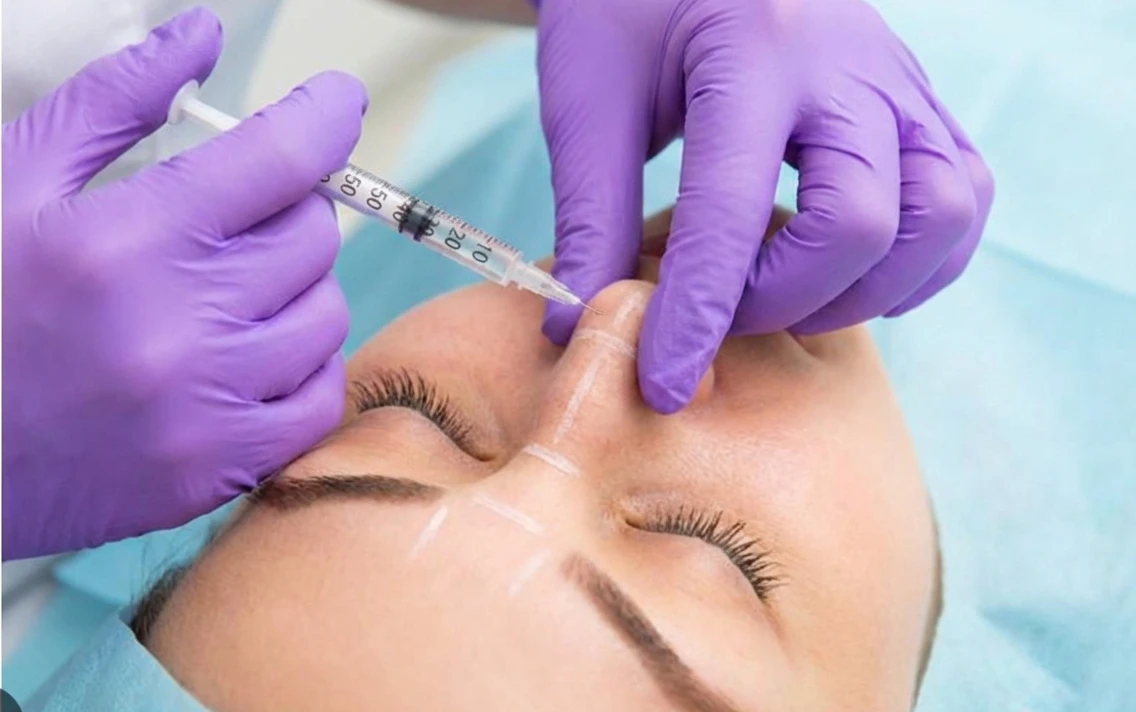
Rhinoplasty is the most common cosmetic procedure among teenagers, typically performed after the nose reaches adult size—around 15-16 years for girls and a year later for boys.
This surgery can correct breathing issues, smooth bumps, or refine the nose’s shape, providing both functional and aesthetic benefits.
Breast Reduction and Gynecomastia Surgery
For teenage girls, breast reduction surgery can relieve physical discomfort caused by overly large breasts, including back and neck pain.
Male teens suffering from gynecomastia (enlarged breast tissue) may opt for male breast reduction to restore a more typical chest contour, improving comfort and confidence.
Otoplasty (Ear Surgery)
Otoplasty is a popular procedure to correct protruding or misshapen ears and is usually safe for children and teens aged five and older. This surgery repositions or reshapes the ears to create a more balanced and natural appearance.
Skin Treatments and Scar Revision
Teenagers often seek treatments for acne scars or other skin imperfections.
Non-surgical options like laser therapy, dermabrasion, and chemical peels can significantly improve skin texture and appearance, boosting self-esteem while avoiding invasive surgery.
Ethical and Legal Considerations
Informed Consent and Family Involvement
In plastic surgery for teens, obtaining informed consent is both a legal and ethical necessity. This involves clear communication with the patient and parents about the procedure, risks, and realistic expectations.
Family involvement ensures support and helps safeguard the teen’s best interests.
Age Restrictions and Physical Readiness
Many jurisdictions enforce minimum age limits for cosmetic procedures to protect developing bodies.
Surgeons assess physical maturity thoroughly and often delay elective surgeries until growth is complete, reducing risks and ensuring optimal outcomes without compromising health.
Psychological Evaluation and Mental Health
Ethical practice requires evaluating the teen’s mental health and motivation. Surgeons screen for body dysmorphic disorders or external pressures that could impair judgment.
Emotional readiness significantly influences satisfaction and helps avoid unnecessary or harmful procedures.
Adherence to Medical Guidelines and Laws
Plastic surgeons like Dr. Sanket Shetty strictly follow local legal frameworks and professional guidelines.
These standards protect minors by stipulating when surgery is appropriate and by promoting ethical decision-making rooted in patient welfare.
Pros and Cons of Plastic Surgery for Under 18
Plastic surgery for teenagers can offer significant benefits but also involves serious risks. Being informed about both sides is crucial for making the right decision with confidence and care.
Let’s discuss and understand the pros and cons of getting surgery under 18.
Pros
🗹 Can correct congenital deformities or physical abnormalities
🗹 Boosts self-esteem and confidence for teens struggling with appearance
🗹 Alleviates physical discomfort (e.g., breast reduction for back pain)
🗹 Improves functionality (e.g., breathing issues corrected by rhinoplasty)
🗹 Helps reduce bullying or social anxiety related to appearance
🗹 Provides psychological relief for traumatic injuries or scars
🗹 Can support mental health by enhancing body image
🗹 Often performed with parental consent and professional guidance
🗹 Access to advanced, safe surgical techniques and anaesthesia
🗹 May prevent long-term emotional distress caused by physical concerns
Cons
🗹 Teen bodies are still growing, affecting surgical outcomes
🗹 Emotional maturity may not be sufficient to understand risks fully
🗹 Surgery involves anaesthesia, pain, and recovery time
🗹 Risk of complications such as infection or scarring
🗹 Potential need for additional corrective surgeries later in life
🗹 Cosmetic results may change asthe body continues to develop
🗹 Psychological impact if expectations are unrealistic or unmet
🗹 Legal restrictions and parental consent requirements add complexity
🗹 Long-term health effects are not well-studied for many procedures
🗹 Social pressure or media influence can lead to premature decisions
Key Considerations Before Getting Teen Plastic Surgery
Physical and Emotional Maturity
Before undergoing plastic surgery, teens must demonstrate both physical maturity and emotional readiness.
Surgeons typically recommend waiting until key physical developments, like facial growth or breast development, are complete to ensure the best long-term results. Emotional maturity is equally important to managing expectations and recovery.
Realistic Expectations and Motivation
Teens and their families need to have realistic goals for surgery and understand its limitations. Surgery can improve appearance, but cannot solve underlying emotional or social issues.
Motivations based on external pressure or fleeting trends should be carefully assessed with professional guidance.
Choosing the Right Surgeon and Facility
Selecting a board-certified plastic surgeon with experience in teen procedures is crucial for safety and outcome.
The surgical facility should meet strict accreditation standards, and a comprehensive consultation process should include detailed discussions about risks, benefits, and recovery plans.
Post-Surgical Aspects and Support
Physical Recovery and Healing
Recovery after cosmetic surgery requires patience and proper care. Teen patients may experience swelling, bruising, and discomfort that gradually subside over days to weeks.
Following surgeon guidelines on wound care, medications, and activity restrictions helps ensure smooth healing and reduces risks of complications.
Emotional and Psychological Support
Plastic surgery recovery isn’t just physical. Teens benefit from emotional support and realistic reassurance during healing.
Family encouragement, counselling, or peer support groups can help manage anxiety, mood changes, or adjustment to the new appearance.
Follow-up Care and Monitoring
Regular follow-up appointments allow surgeons to monitor healing progress, manage any concerns, and provide guidance for long-term care.
Early detection of complications leads to better outcomes and ensures teens stay on track both physically and emotionally.
Lifestyle Adjustments and Returning to Activities
Returning to sports, school, and social life should be gradual and aligned with medical advice. Avoiding strenuous activity and protecting surgical sites during the initial recovery phase prevents injury and promotes optimal results, supporting a healthy return to everyday routines.
FAQs
Does health insurance cover cosmetic surgery for teens?
Most insurers in India don’t cover teen cosmetic procedures unless medically necessary. Reconstructive cases may be an exception.
What are some common myths around teenage plastic surgery?
One myth is that it fixes all emotional challenges. It may boost confidence, but it doesn’t erase deeper issues. Another myth is that once done, results are forever. But bodies grow and results may change.
Are there real experiences shared by teens post-surgery?
Yes, many teens speak of greater comfort and peace post-op. At Dr. Sanket Shetty’s clinic,
families praise not just results but how their child was supported through it all.
How does plastic surgery affect the mental health of teenagers?
Plastic surgery can strengthen self-esteem and reduce anxiety in teens with realistic expectations and proper support. However, it may worsen mental health issues, especially in teens prone to depression or body dysmorphic disorder. Psychological assessment before surgery is essential.
What are the potential risks and complications of plastic surgery in teenagers?
Risks include infection, scarring, anaesthesia complications, and the possibility of needing additional surgeries over time. Teens’ bodies are still developing, which can affect long-term results. Emotional readiness and family involvement help mitigate some of these risks.
How can families best support teens before and after plastic surgery?
Supportive families provide emotional encouragement, help with post-operative care, and monitor mental health closely. Preparing the home, managing medications, and attending follow-ups together fosters a smoother recovery and better outcomes.
Embracing Confidence with Compassion: Your Journey Matters
Plastic surgery is a deeply personal decision, especially for teenagers navigating a critical phase of growth and self-discovery. It’s important to approach this journey with kindness, patience, and a clear understanding.
As psychiatrist Dr. Elayne Clift once said, “True confidence is not having a perfect face or body; it’s knowing your own worth and embracing your journey.”
At Dr. Sanket Shetty’s clinic, the focus goes beyond surgery. Here, teens and families find a supportive environment built on empathy, expert guidance, and a commitment to physical and emotional well-being.
From thorough consultations to compassionate aftercare, every patient’s journey is honoured with respect and tailored care. Because for us, it’s not just about changing looks—it’s about empowering lives.
If considering plastic surgery for yourself or a loved one, know that you are not alone. With trusted support and clear information, you can make this path a positive step toward self-confidence and happiness.