

Have you ever wondered why some men develop enlarged breast tissue while others don’t? If you’re dealing with gynecomastia, you might be asking yourself: “Is this condition genetic? Did I inherit it from my family?”
The short answer is that genetics can play a role in gynecomastia, but it’s not the only factor. While hereditary predisposition increases your risk, multiple elements contribute to this condition, from hormonal imbalances to lifestyle choices. At our clinic, we focus on helping men understand these underlying causes through clear, evidence-based guidance and personalised care. Let’s explore the connection between genetics and gynecomastia, and what it means for men in India dealing with this common yet often misunderstood condition.
What is Gynecomastia?
Gynecomastia is the enlargement of breast tissue in men, resulting from an imbalance between testosterone and oestrogen levels. Unlike pseudogynecomastia (which involves excess fat), true gynecomastia involves actual glandular breast tissue development.
This condition affects an estimated 40 to 60% of Indian males at some point in their lives, making it far more common than most people realise. It can occur at any age, from puberty through adulthood, and often causes significant psychological distress despite being medically benign in most cases.
The Genetic Connection: Does Gynecomastia Run in Families?
The question of whether gynecomastia is genetic deserves a nuanced answer. Research indicates that genetics does influence your susceptibility to developing this condition, but it’s not a straightforward inheritance pattern like eye colour or blood type.
How Genetics Influences Gynecomastia
Your genetic makeup affects how your body processes hormones, which matters because hormonal imbalance is the primary cause of gynecomastia. If you have a family history of the condition, particularly in close relatives like your father or brother, your chances of developing it increase.
Genetic factors influence:
✓ Hormone Receptor Sensitivity
Some men inherit genes that make their breast tissue more sensitive to oestrogen, even when oestrogen levels are normal.
✓ Enzyme Activity
Genes control enzymes that convert testosterone to oestrogen. Variations in these genes can lead to higher oestrogen levels in breast tissue.
✓ Hormone Production
Your genetic blueprint affects how much testosterone and oestrogen your body produces naturally.
Studies have shown that more than 90% of cases involve genetic or hereditary factors to some degree, though this doesn’t mean genetics is always the sole cause. Think of genetics as creating a predisposition rather than a guarantee.
Beyond Genetics: Other Contributing Factors
While genetics loads the gun, other factors pull the trigger. Understanding these helps you make sense of why gynecomastia developed despite your genetic background.
Hormonal Imbalances
The primary culprit behind gynecomastia is an imbalance between testosterone (male hormone) and oestrogen (female hormone). Men naturally produce both hormones, but when oestrogen levels rise or testosterone levels fall, breast tissue can enlarge.
This imbalance commonly occurs during:
✓ Puberty: Hormonal fluctuations during teenage years cause temporary gynecomastia in many boys, which typically resolves within 6 to 24 months.
✓ Ageing: Men over 50 experience natural testosterone decline, making them more susceptible.
✓ Medical Conditions: Liver disease, kidney failure, hyperthyroidism, and hypogonadism can all disrupt hormone balance.
Medications and Substances
Certain medications interfere with hormone regulation and can trigger gynecomastia, including:
✓ Anabolic steroids (commonly abused in Indian gyms)
✓ Antidepressants and anti-anxiety medications
✓ Heart medications and blood pressure drugs
✓ HIV treatments
✓ Chemotherapy drugs
The rising prevalence of steroid abuse among young Indian men, particularly in urban areas like Mumbai, has contributed to increased gynecomastia cases in recent years.
Lifestyle Factors
Your daily habits significantly impact hormone levels:
- Obesity: Excess body fat increases oestrogen production through a process called aromatisation, where fat cells convert testosterone to oestrogen. With obesity rates rising in India, this has become an increasingly common factor.
- Alcohol Consumption: Heavy drinking damages the liver, which is responsible for metabolising hormones. This can lead to oestrogen accumulation.
- Diet: Certain foods containing phytoestrogens (plant-based compounds that mimic oestrogen) may contribute when consumed in large quantities.

Can You Prevent Gynecomastia if It Runs in Your Family?
If gynecomastia runs in your family, you can’t change your genetic predisposition, but you can manage modifiable risk factors:
✓ Maintain a Healthy Weight
Regular exercise and a balanced diet help regulate hormone levels and reduce fat tissue that produces oestrogen.
✓ Avoid Anabolic Steroids
Never use steroids or performance-enhancing drugs without medical supervision.
✓ Limit Alcohol
Moderate your alcohol intake to protect liver function and hormone metabolism.
✓ Review Medications
If you’re taking medications that might cause gynecomastia, discuss alternatives with your doctor (never stop prescribed medications without medical advice).
✓ Monitor During Puberty
If you’re a parent of teenage boys with family history, watch for signs and consult a specialist if the condition persists beyond two years.
When Should You Seek Medical Help?
While pubertal gynecomastia often resolves naturally, you should consult a plastic surgeon if you experience:
✓ Persistent enlargement lasting more than two years
✓ Significant psychological distress or self-consciousness
✓ Pain or tenderness in the breast area
✓ Nipple discharge
✓ Asymmetrical breast development
A thorough medical evaluation will help determine whether your gynecomastia is primarily genetic, hormonally driven, or caused by underlying health conditions.
Treatment Options: What Can Be Done?
For men with persistent gynecomastia, especially when genetic factors are involved, surgical intervention often provides the most effective solution.
Gynecomastia Surgery (Male Breast Reduction)
This procedure removes excess glandular tissue and fat, creating a flatter, more masculine chest contour. The surgery typically combines liposuction with direct tissue excision, customised to your specific condition.
Benefits include:
✓ Permanent results (removed glandular tissue doesn’t grow back)
✓ Improved chest contour and body proportion
✓ Enhanced self-confidence
✓ Ability to wear fitted clothing comfortably
Recovery is generally straightforward, with most men returning to desk work within a week and resuming exercise after 4 to 6 weeks.
Why Choose Dr Sanket Shetty’s Clinic for Gynecomastia Treatment?
At Dr Sanket Shetty’s clinic, we understand that gynecomastia surgery is more than a physical concern, it can affect confidence, comfort, and quality of life. Our approach focuses on delivering safe, personalised solutions tailored to each patient’s unique anatomy and underlying causes, including genetic factors.
What sets our care apart:
✓ Comprehensive evaluation: We assess hormonal, genetic, and lifestyle factors before recommending treatment.
✓ Customised surgical plans: Techniques are tailored to achieve a natural, masculine chest contour.
✓ Advanced facilities: Procedures are performed in a well-equipped hospital setting with strict safety protocols.
✓ Clear guidance and support: Be it consultation or recovery, our team ensures you feel informed and confident at every step.
Our goal is not just to treat gynecomastia, but to help you regain comfort in your body with results that look natural and last long-term. Consider contacting us, Dr Shetty brings expertise, empathy, and precision to every case.
Understanding Your Individual Case
If you’re dealing with gynecomastia, understanding the role genetics plays in your specific case requires professional evaluation. A qualified plastic surgeon will assess your medical history, family history, hormone levels, and overall health to determine the best course of action.
Remember, even if genetics predisposes you to gynecomastia, modern plastic surgery techniques offer reliable, effective solutions that can help you achieve the confident, masculine physique you desire.
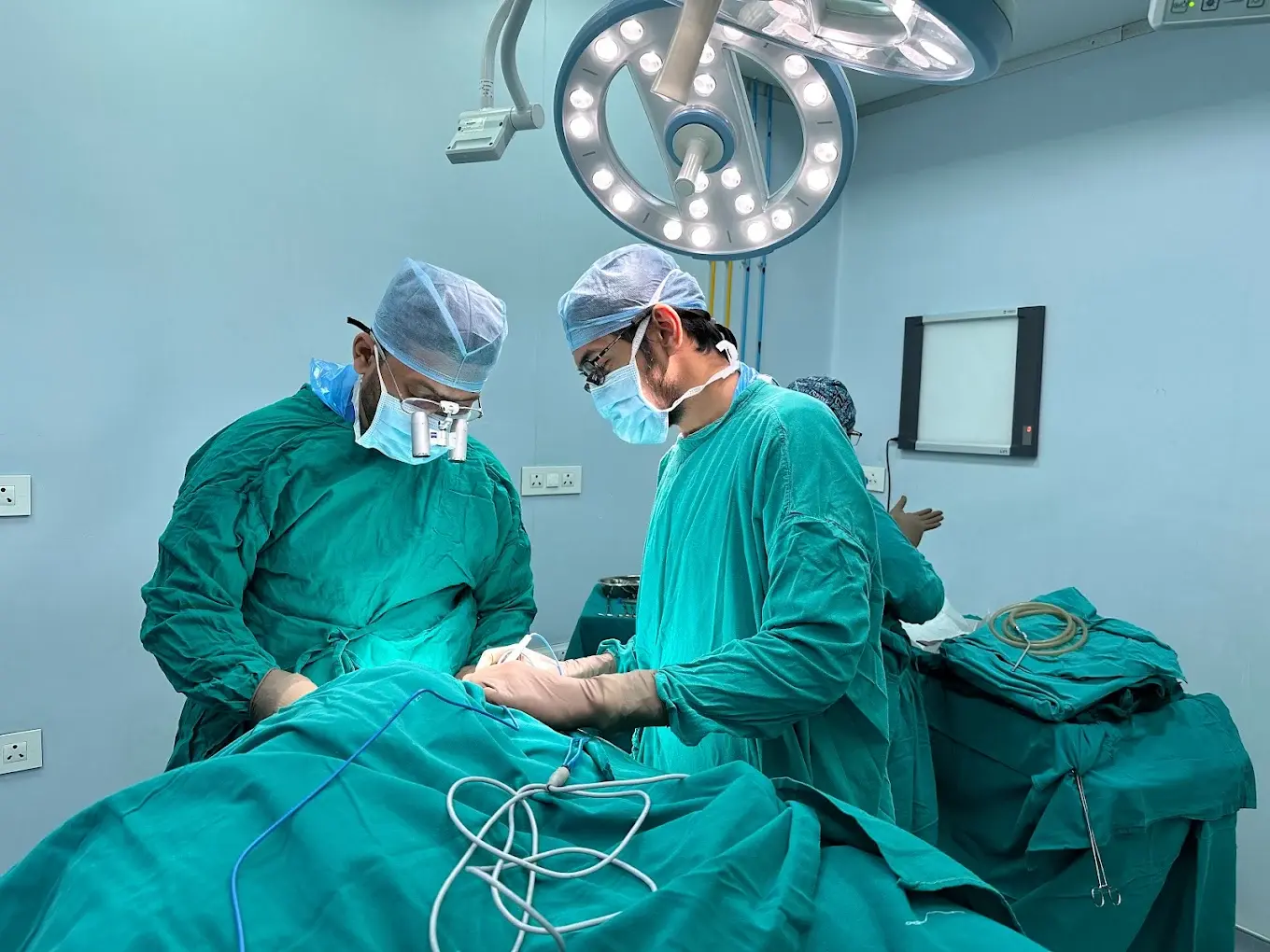
Take the Next Step Toward Confidence
Living with gynecomastia can be emotionally challenging, affecting everything from your clothing choices to your self-esteem. Whether your condition is primarily genetic or caused by other factors, you don’t have to accept it as your permanent reality.
At our Mumbai clinic, we specialise in gynecomastia surgery tailored to the unique needs of Indian men. With UK-trained expertise and a patient-centred approach, we help men across Mumbai reclaim their confidence through safe, effective male breast reduction procedures.
If you’re tired of feeling self-conscious about your chest and ready to look at your options, we’re here to help.