
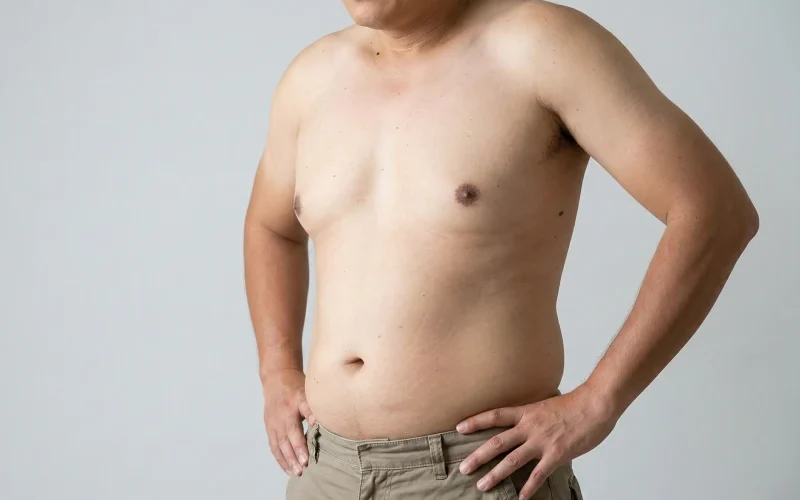
Congratulations on taking the first step towards a more confident you! If you’ve recently undergone gynecomastia surgery or are preparing for the procedure, understanding post-surgery swelling is necessary for getting the best results.
Swelling after gynecomastia surgery is completely normal and expected, it’s your body’s natural healing response. The good news? With proper care and patience, you can manage this swelling well and watch your new chest contour emerge beautifully.
At Dr Sanket Shetty’s clinic, we support you through every stage of recovery with clear guidance, regular follow-ups, and personalised care to ensure safe healing and optimal results.
Understanding Post-Operative Swelling
After gynecomastia surgery, your chest undergoes significant changes. The procedure involves removing excess glandular tissue and fat to create a flatter, more masculine chest contour. This triggers your body’s inflammatory response, which is actually a sign that healing is progressing properly.
Swelling occurs because your body increases blood flow to the surgical site, bringing nutrients and immune cells to support healing. Fluid can accumulate in the tissue spaces, adding to the swollen appearance.
The extent of swelling varies from person to person, depending on factors like the surgical technique used, the amount of tissue removed, your body’s natural healing response, and how well you follow post-operative care instructions.
Timeline: What to Expect After Surgery
-
First 24 to 48 Hours: Peak Swelling Period
The first two days after surgery are when you’ll experience the most dramatic swelling. Your chest will feel tight, and the area may appear larger than before surgery. This can be alarming, but it’s completely expected. You’ll also notice bruising developing around the chest area, and may experience moderate discomfort managed with prescribed pain medications.
-
Days 3 to 7: Early Recovery
As you move through the first week, the intense initial swelling begins to subside. The chest area will still be swollen, but you should see gradual improvement day by day. Bruising may become more visible during this time as it moves through different healing stages. This is when wearing your compression garment becomes necessary.
-
Weeks 2 to 4: Noticeable Improvement
By the second week, most patients report significant reduction in swelling. You’ll start getting glimpses of your new chest shape, though some puffiness will remain. Many patients feel comfortable returning to work and light daily activities during this phase.
-
Months 1 to 3: Final Results Emerge
Even after the first month, some residual swelling persists. This subtle puffiness gradually resolves over the next two to three months. Your final results will become apparent around the three-month mark, though some patients notice minor refinements continuing up to six months post-surgery.
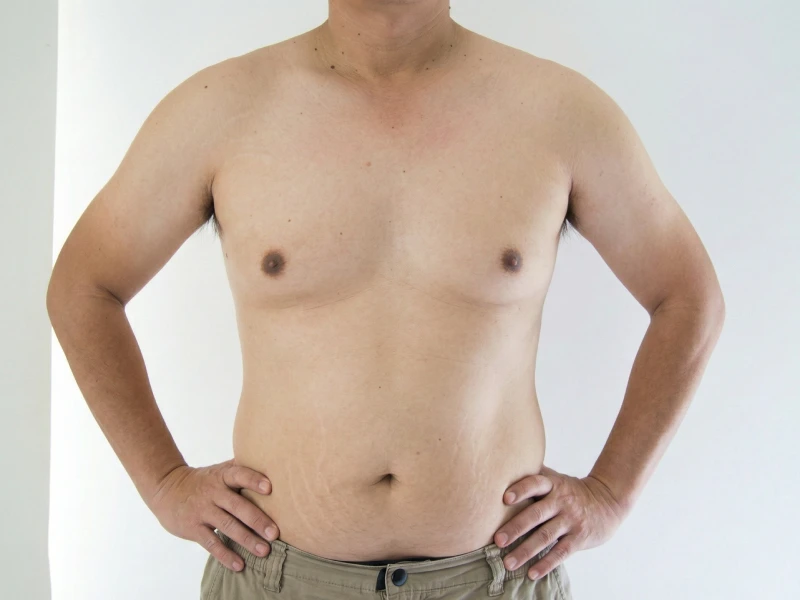
7 Ways to Reduce Swelling
1. Wear Your Compression Garment Religiously
Your compression garment is your best friend during recovery. This specially designed vest applies uniform pressure to your chest, helping reduce fluid accumulation, support healing tissues, and improve your final contour. Dr Sanket Shetty typically recommends wearing it for at least 4 to 6 weeks, removing it only for showering.
2. Keep Your Upper Body Elevated
Sleeping in an elevated position helps reduce swelling by preventing fluid from pooling in your chest area. Use pillows to prop yourself up at approximately a 30 to 45 degree angle, especially during the first two weeks. This elevated position uses gravity to your advantage, promoting better fluid drainage.
3. Apply Cold Compresses
During the first 48 to 72 hours after surgery, cold compresses can be incredibly helpful. Wrap ice packs in a clean towel and apply them to the chest area for 15 to 20 minutes at a time, several times throughout the day. Never apply ice directly to your skin.
4. Stay Hydrated and Eat Well
Proper nutrition plays a big role in healing and reducing swelling. Focus on protein-rich foods like dal, paneer, chicken, fish, and eggs to support tissue repair. Include anti-inflammatory foods such as turmeric, ginger, leafy greens, and fresh fruits. Drink plenty of water to flush out toxins and avoid excess salt which can worsen swelling.
5. Avoid Strenuous Activities
Physical exertion increases blood flow and can worsen swelling. For the first few weeks, avoid heavy lifting (anything over 5 kg), vigorous exercise, gym workouts, swimming, or any activity that raises your heart rate significantly. Light walking is encouraged as it promotes circulation without straining your healing chest.
6. Take Prescribed Medications
Your surgeon may prescribe anti-inflammatory medications to help manage swelling and discomfort. Take these exactly as directed for optimal results. Never take any additional medications, supplements, or herbal remedies without consulting your surgeon.
7. Attend All Follow-Up Appointments
With regular follow-up visits, Dr Sanket Shetty monitors your healing progress, assess swelling, check incision sites, and spot any complications early. Never skip these important checkups.
When to Be Concerned About Swelling?
While swelling is normal, certain signs warrant immediate medical attention:
✓ Sudden increase in swelling on one side of the chest
✓ Severe pain that doesn’t improve with prescribed medication
✓ Warmth, redness, or discharge from incision sites
✓ High fever (above 100.4°F or 38°C)
✓ Chest feels very hard or you notice unusual lumps
✓ Significant asymmetry that seems to be worsening
If you experience any of these symptoms, contact Dr Sanket Shetty’s clinic immediately.
The Psychological Aspect of Recovery
It’s natural to feel anxious about swelling and wonder if your results will turn out as expected. Remember that healing is a gradual process, and patience is necessary. Many patients experience a mix of emotions during recovery, which is completely normal.
Stay positive, trust the process, and maintain realistic expectations. Your final results will be worth the wait. Focus on following your surgeon’s instructions rather than constantly checking your chest in the mirror.
Why Choose Dr Sanket Shetty
When it comes to getting natural-looking results and ensuring a smooth recovery, your surgeon’s expertise makes all the difference. Dr Sanket Shetty brings:
✓ Advanced Training
Super-specialisation (M.Ch) in Plastic Surgery plus a three-year fellowship at Royal Stoke Hospital, UK
✓ Extensive Experience
Years of practice at Kokilaben Dhirubhai Ambani Hospital and current consultant role at Thunga Hospitals
✓ Convenient Access
Multiple consultation locations in Mira Road, Malad, and Juhu
✓ Tailored Care
Treatment plans customised to each patient’s unique needs
Dr Shetty’s expertise in reconstructive and aesthetic surgery ensures that your gynecomastia procedure is performed with precision, artistry, and attention to detail.
Take the Next Step
Gynecomastia post surgery swelling is a natural and temporary part of your transformation journey. By understanding what to expect and following proven recovery strategies, you can reduce discomfort and optimise your results.
Remember that every patient heals at their own pace. Trust your body’s healing process, follow Dr Sanket Shetty’s post-operative instructions carefully, and don’t hesitate to reach out with any concerns.
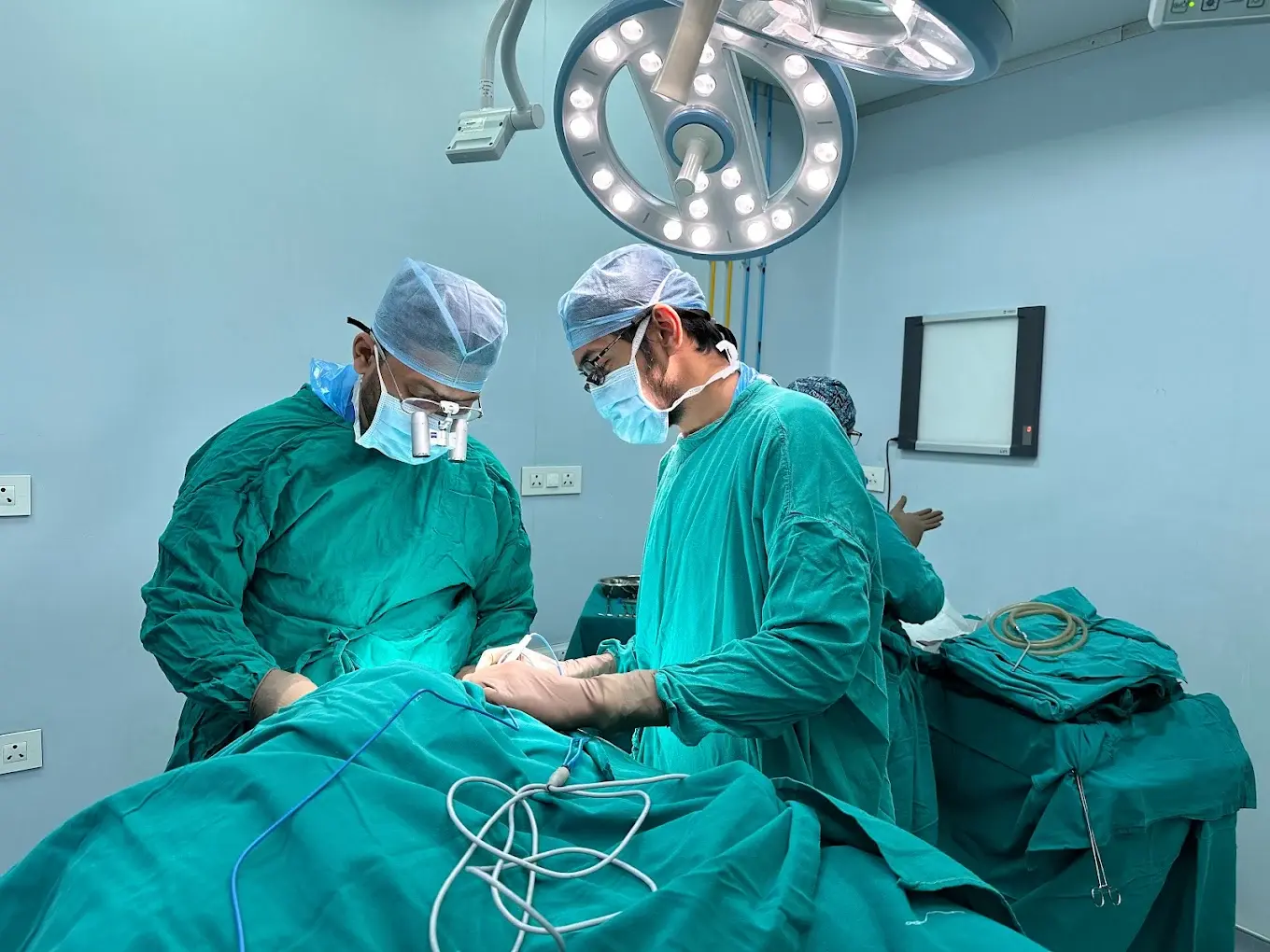
Ready to transform your confidence?
Schedule a consultation with Dr Sanket Shetty today to discuss your gynecomastia surgery goals and learn how it can help you achieve the chest you’ve always wanted.
Book your appointment now and start your transformation journey.