

If you’ve been doing endless push-ups and chest workouts hoping your man boobs will disappear, you’re not alone. Thousands of Indian men search for ways to reduce gynecomastia naturally, and exercise seems like the obvious answer. But here’s what you really need to know.
Understanding Gynecomastia: More Than Just Chest Fat
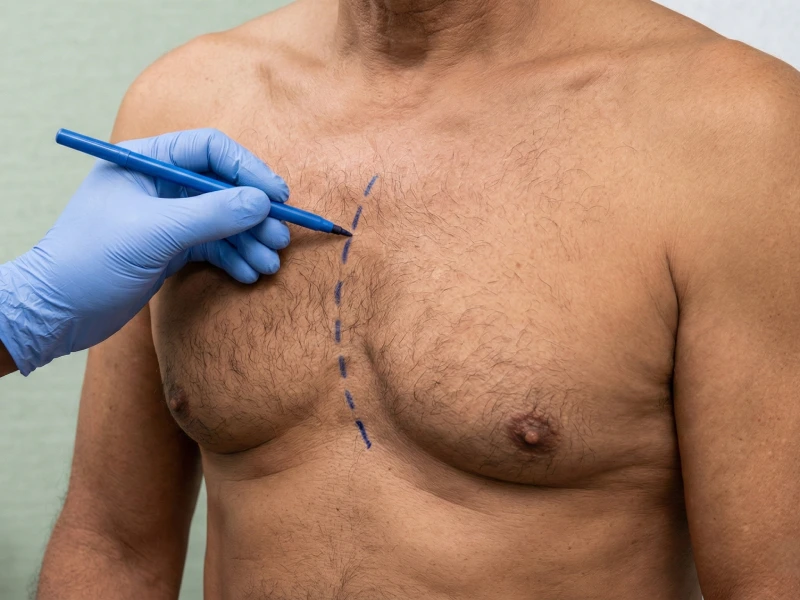
Gynecomastia is the medical term for enlarged male breast tissue. It affects nearly 40-60% of men at some point in their lives, making it one of the most common concerns in male cosmetic surgery. But before we talk about whether exercise can help, let’s understand what’s actually happening in your chest.
The condition occurs when glandular breast tissue develops beneath the nipple area, often because of hormonal imbalances, certain medications, or underlying health conditions. Unlike simple chest fat (which doctors call pseudogynecomastia), true gynecomastia involves actual breast tissue that feels firm or rubbery to the touch.
The Hard Truth: Can Exercise Really Reduce Gynecomastia?
Here’s the answer you’ve been looking for: Exercise cannot eliminate true gynecomastia caused by glandular tissue. No amount of chest workouts, cardio, or targeted exercises will remove breast gland tissue because it’s not fat that can be burned off.
But there’s an important distinction to make. If your chest enlargement is primarily because of excess fat (pseudogynecomastia), then yes, exercise combined with proper nutrition can absolutely help reduce the appearance of male breasts.
True Gynecomastia vs Pseudogynecomastia
True Gynecomastia:
✓ Contains actual breast gland tissue
✓ Feels firm or rubbery under the nipple
✓ Doesn’t respond to diet or exercise
✓ Requires surgical intervention for permanent removal
Pseudogynecomastia:
✓ Caused entirely by fat deposits
✓ Feels soft throughout
✓ Can improve significantly with weight loss
✓ May respond well to exercise and diet changes
Many men actually have a combination of both conditions, which is why a professional evaluation is necessary.
Exercises That Can Help With Chest Fat
While exercise won’t eliminate glandular tissue, it can definitely help if you’re dealing with excess chest fat or want to build muscle definition that reduces the appearance of gynecomastia. Here are the most effective exercises:
1. Cardiovascular Training
Cardio burns body fat, including chest fat. Aim for at least 150 minutes of moderate-intensity cardio weekly:
✓ Brisk walking or jogging
✓ Swimming
✓ Cycling
✓ Rowing (excellent for upper body engagement)
2. Chest-Focused Strength Training
Building pectoral muscles creates a firmer, more defined chest:
✓ Push-ups (standard and incline variations)
✓ Bench press (flat, incline, and decline)
✓ Dumbbell flyes
✓ Cable crossovers
3. High-Intensity Interval Training (HIIT)
HIIT workouts burn more calories in less time and boost metabolism:
✓ Sprint intervals
✓ Burpees
✓ Mountain climbers
✓ Jump rope circuits
4. Compound Movements
These exercises engage multiple muscle groups and burn maximum calories:
✓ Pull-ups
✓ Dips
✓ Overhead press
Diet Matters Just as Much
Exercise alone won’t give you the results you want. Nutrition plays a big role in reducing chest fat:
Foods to Include:
✓ Lean proteins (chicken, fish, lentils, paneer)
✓ Whole grains (brown rice, oats, quinoa)
✓ Fresh fruits and vegetables
✓ Healthy fats (nuts, olive oil, avocado)
Foods to Limit:
✓ Processed foods high in refined sugar
✓ Excessive alcohol (can increase oestrogen levels)
✓ Soy products in large quantities
✓ Deep-fried foods
When Exercise Isn’t Enough: Gynecomastia Surgery
If you’ve been working out consistently for six months or more and still see minimal improvement, you likely have true gynecomastia that requires surgical treatment. This is where consultation with a plastic surgeon becomes necessary.
Dr. Sanket Shetty, a plastic surgeon in Mumbai practising at Thunga Hospitals in Mira Road, Malad, and Juhu, specialises in male breast reduction surgery. With his M.Ch in Plastic Surgery from Rajiv Gandhi University of Health Sciences and fellowship training from Royal Stoke Hospital in the UK, he brings advanced expertise to gynecomastia treatment.
What Does Gynecomastia Surgery Involve?
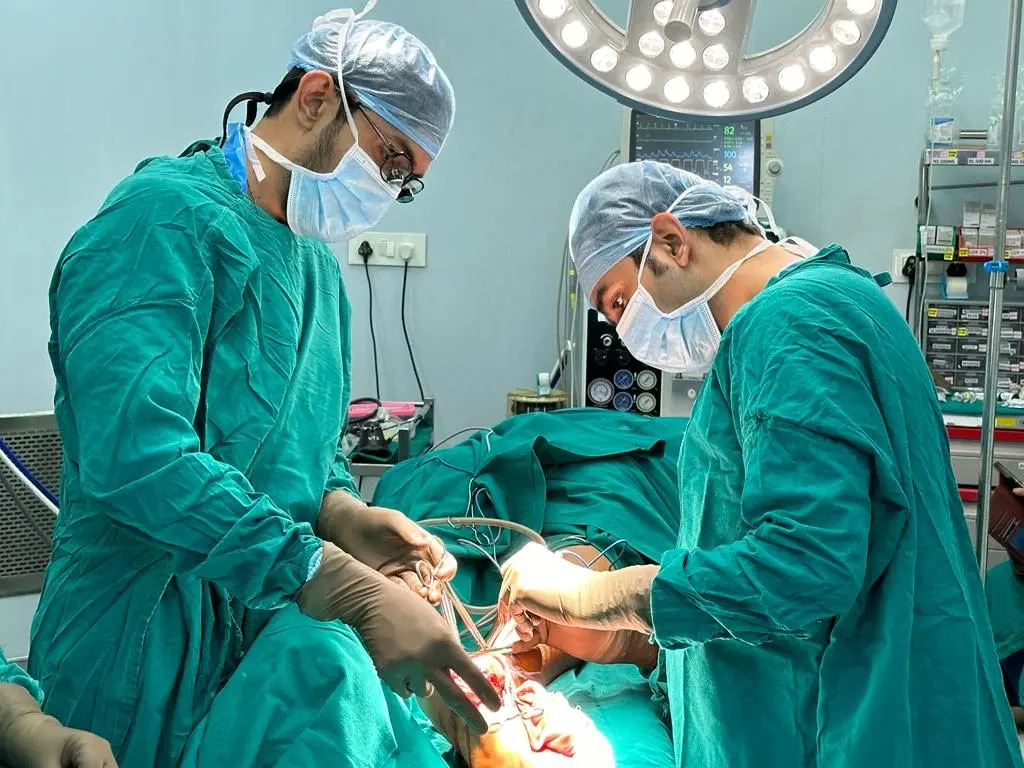
Male gynecomastia surgery typically combines two techniques:
✓ Liposuction to remove excess fat
✓ Surgical excision to remove glandular tissue
The procedure usually takes 1-2 hours under general anaesthesia, with most patients returning to light activities within a week and full exercise within 4-6 weeks.
How to Know If You Need Surgery
Consider consulting a plastic surgeon if:
✓ You’ve tried diet and exercise for 6+ months without significant improvement
✓ The tissue feels firm or glandular rather than soft
✓ The condition affects both breasts symmetrically
✓ You experience physical discomfort or skin irritation
✓ It’s impacting your confidence and quality of life
✓ You avoid certain activities (swimming, going shirtless) because of embarrassment
The Bottom Line
Exercise can definitely help reduce the appearance of gynecomastia caused by excess fat, and it should be your first approach. Building chest muscle and losing body fat through consistent training and proper nutrition will benefit your health regardless of whether you have true gynecomastia.
But if your chest enlargement is because of glandular tissue, exercise alone won’t solve the problem. In these cases, gynecomastia surgery remains the only permanent solution. The good news? With modern surgical techniques and experienced surgeons like Dr. Sanket Shetty in Mumbai, the procedure is safe, effective, and can finally give you the masculine chest contour you’ve been working towards.
Don’t let gynecomastia hold you back from living confidently. Whether through dedicated exercise or surgical intervention, solutions are available.
Ready to take the next step? Consult with Dr. Sanket Shetty to discuss your gynecomastia concerns and find the best treatment options for your specific situation.