
Acid attacks are among the most devastating forms of violence, leaving survivors with deep physical scars and profound emotional trauma. In India, where hundreds of such attacks occur annually, victims often wonder whether there’s hope for recovery. The question many ask is: can an acid attack be cured by plastic surgery?
While the word “cure” may be too absolute, plastic surgery offers transformative reconstruction that can dramatically improve both appearance and quality of life for acid attack survivors.
Understanding Acid Attack Injuries
When corrosive acid comes into contact with skin, it causes immediate and severe chemical burns. The most commonly used substances in these attacks, like sulfuric acid or hydrochloric acid, don’t just damage the surface.
They penetrate deep into tissue layers, destroying skin, muscle, and sometimes even bone. The severity depends on multiple factors, including the acid’s concentration, how long it remained in contact with the skin, and how quickly first aid was administered.
Unlike thermal burns, acid burns create unique challenges. The chemical reaction continues damaging tissue until the acid is completely washed away. This is why immediate and continuous washing with clean water for at least 20 minutes is necessary in reducing the extent of injury.
The Role of Reconstructive Surgery
While plastic surgery cannot completely erase the damage caused by acid attacks, it plays a vital role in helping survivors reclaim their lives. Modern reconstructive techniques address both the functional and aesthetic aspects of recovery.
Restoring Function and Mobility
Acid burns often result in tight scar tissue called contractures, which restrict movement, especially around joints and facial features. These contractures can prevent survivors from performing basic activities like closing their eyes, opening their mouth properly, or moving their limbs freely.
Plastic surgery techniques like Z-plasty and contracture release surgeries rearrange tissue to restore mobility and prevent further complications.
Improving Appearance
The psychological impact of visible scarring cannot be understated. Advanced reconstructive procedures help minimise the appearance of scars, restore facial features, and improve skin texture.
Techniques like scar revision, laser therapy, and dermabrasion work together to achieve significant aesthetic improvements.

Reconstructive Surgery Techniques for Acid Attack Survivors
The treatment journey for acid attack survivors typically involves multiple surgical procedures over months or even years. Here are the primary techniques used:
1. Skin Grafting: This involves transplanting healthy skin from an unaffected area of the patient’s body to cover damaged zones. Autografts (using the patient’s own skin) are preferred as they have better acceptance rates and lower infection risks. Split-thickness or full-thickness grafts may be used depending on the depth of the burn.
2. Tissue Expansion: For larger affected areas, surgeons use tissue expanders (balloon-like devices placed under healthy skin adjacent to the damaged area). Over time, these are gradually filled with saline solution, stretching the skin to create enough healthy tissue for reconstruction.
3. Flap Surgery: When acid burns expose muscle or bone, flap surgery becomes necessary. This complex procedure transfers healthy tissue, complete with its blood supply, from one part of the body to the damaged area, giving comprehensive coverage and support.
4. Laser Therapy and Scar Revision: Multiple laser treatments help improve skin texture, reduce discolouration, and flatten raised scars. Surgical scar revision techniques further refine the appearance of healed tissue.
The Reconstruction Journey: What to Expect
Recovery from acid attack injuries is a marathon, not a sprint. Survivors typically require multiple surgeries, with children potentially needing additional procedures as they grow. The reconstruction process includes:
1. Initial Assessment: A thorough evaluation by an experienced plastic surgeon to determine the extent of damage and create a customised treatment plan.
2. Staged Procedures: Multiple surgeries are scheduled over time to address different areas and allow proper healing between interventions.
3. Physical Therapy: Necessary for maintaining mobility and preventing new contractures from forming.
4. Psychological Support: Counselling and support groups help address the emotional trauma alongside physical healing.
5. Follow-up Care: Regular monitoring to assess healing progress and address any complications promptly.
Why Choose Specialised Reconstructive Care
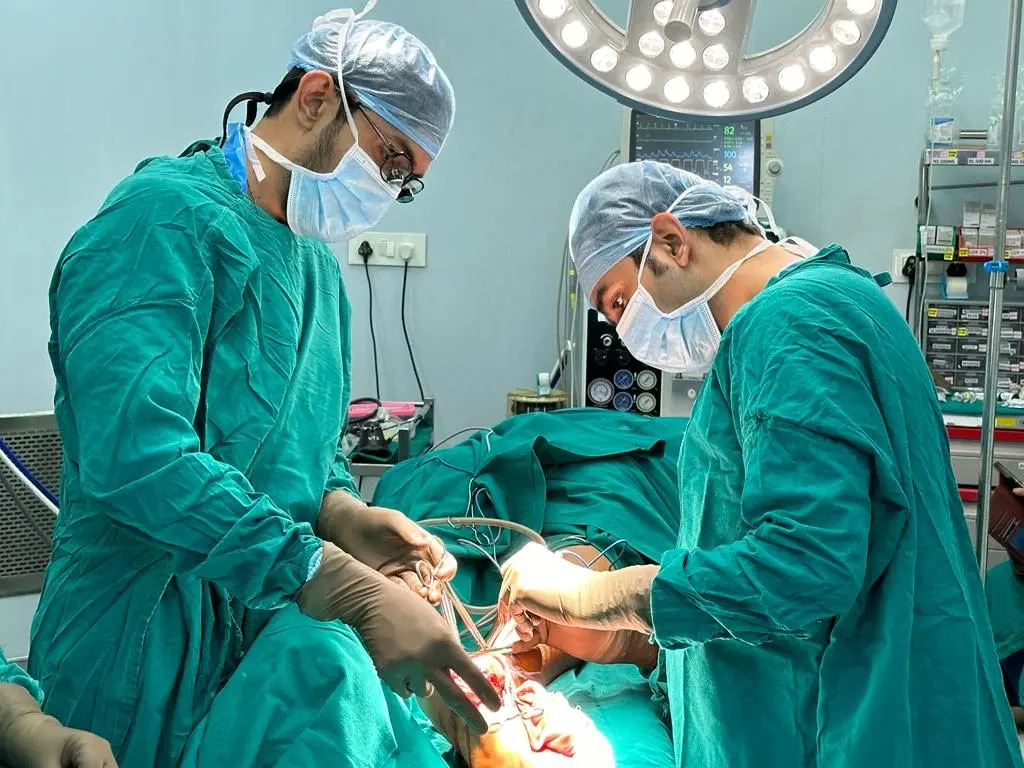
The complexity of acid attack reconstruction demands expertise in advanced plastic surgery techniques. Dr. Sanket Shetty, a consultant plastic surgeon in Andheri practising at Thunga Hospitals across Mumbai’s western suburbs (Mira Road, Malad, and Juhu), brings specialised training from Rajiv Gandhi University of Health Sciences and a three-year fellowship from the prestigious Royal Stoke Hospital in the UK.
With particular expertise in reconstructive surgery, trauma reconstruction, and complex injury management, Dr. Shetty understands the multifaceted challenges acid attack survivors face.
His approach combines technical precision with compassionate care, recognising that successful reconstruction goes beyond physical appearance to restore confidence and dignity.
Ready to learn more about your options for reconstructive surgery?
Contact Dr. Sanket Shetty’s clinic today for a detailed consultation. Call +91 9326332926 or +91 9136040220 to schedule your appointment and begin your journey towards healing and renewal.